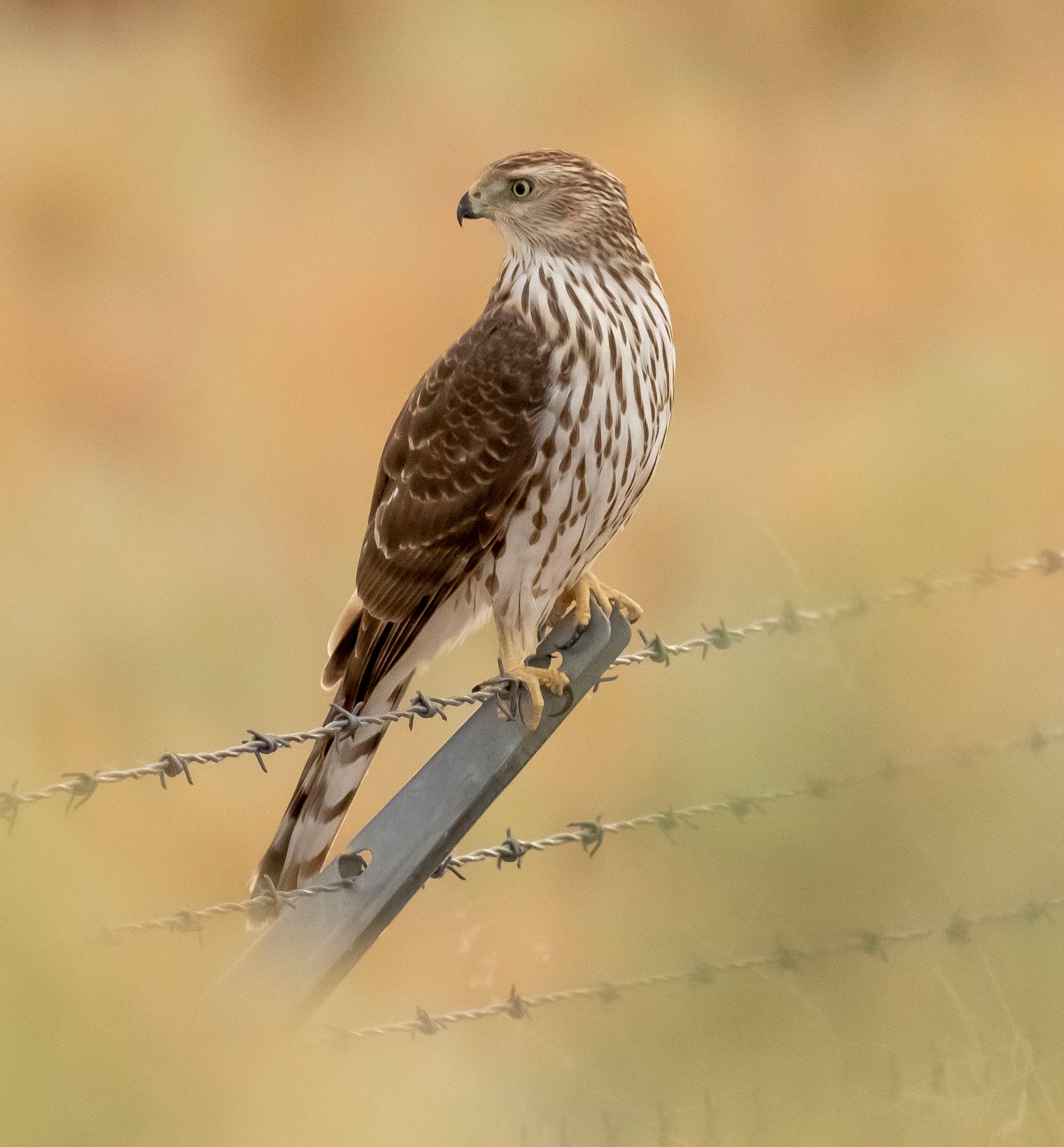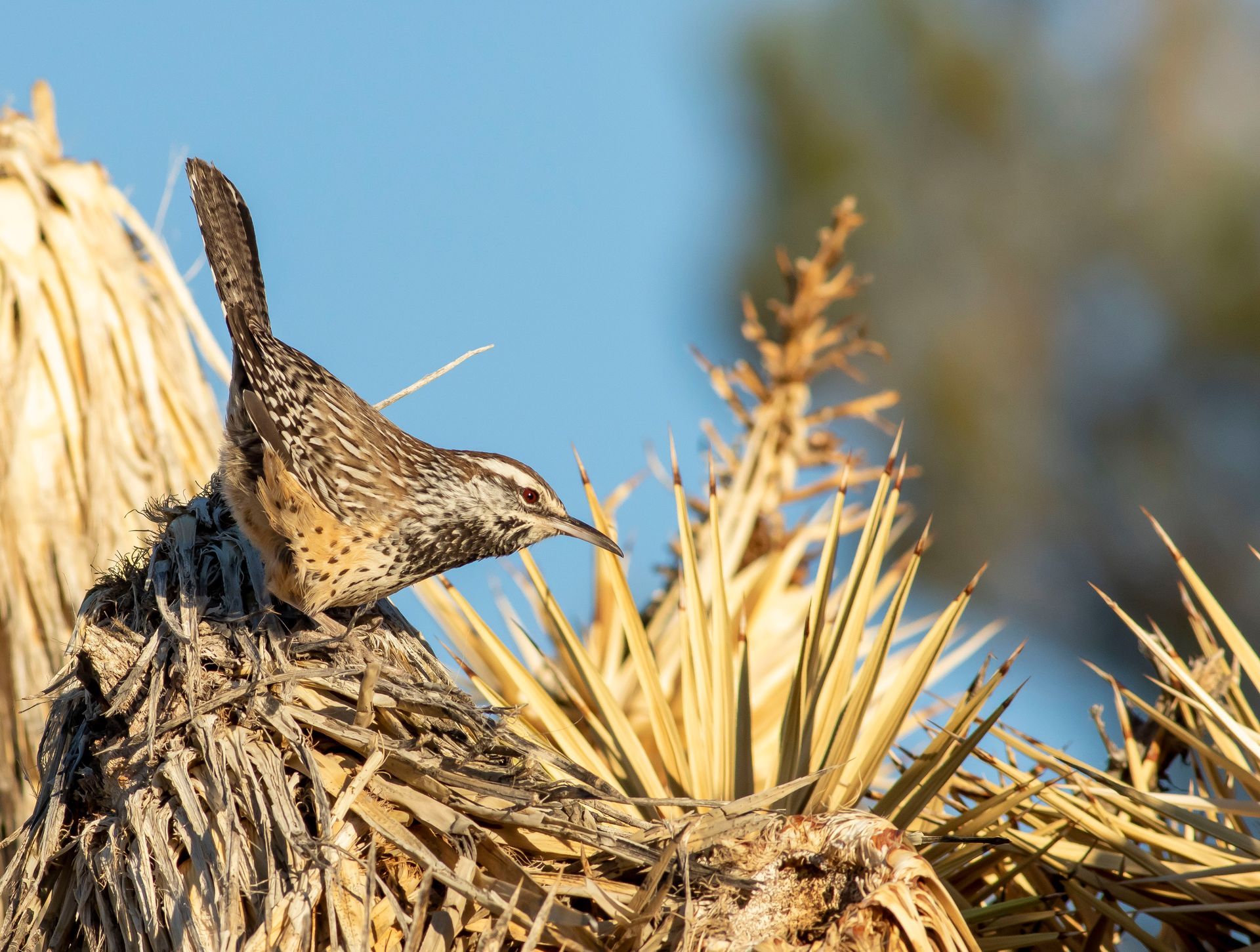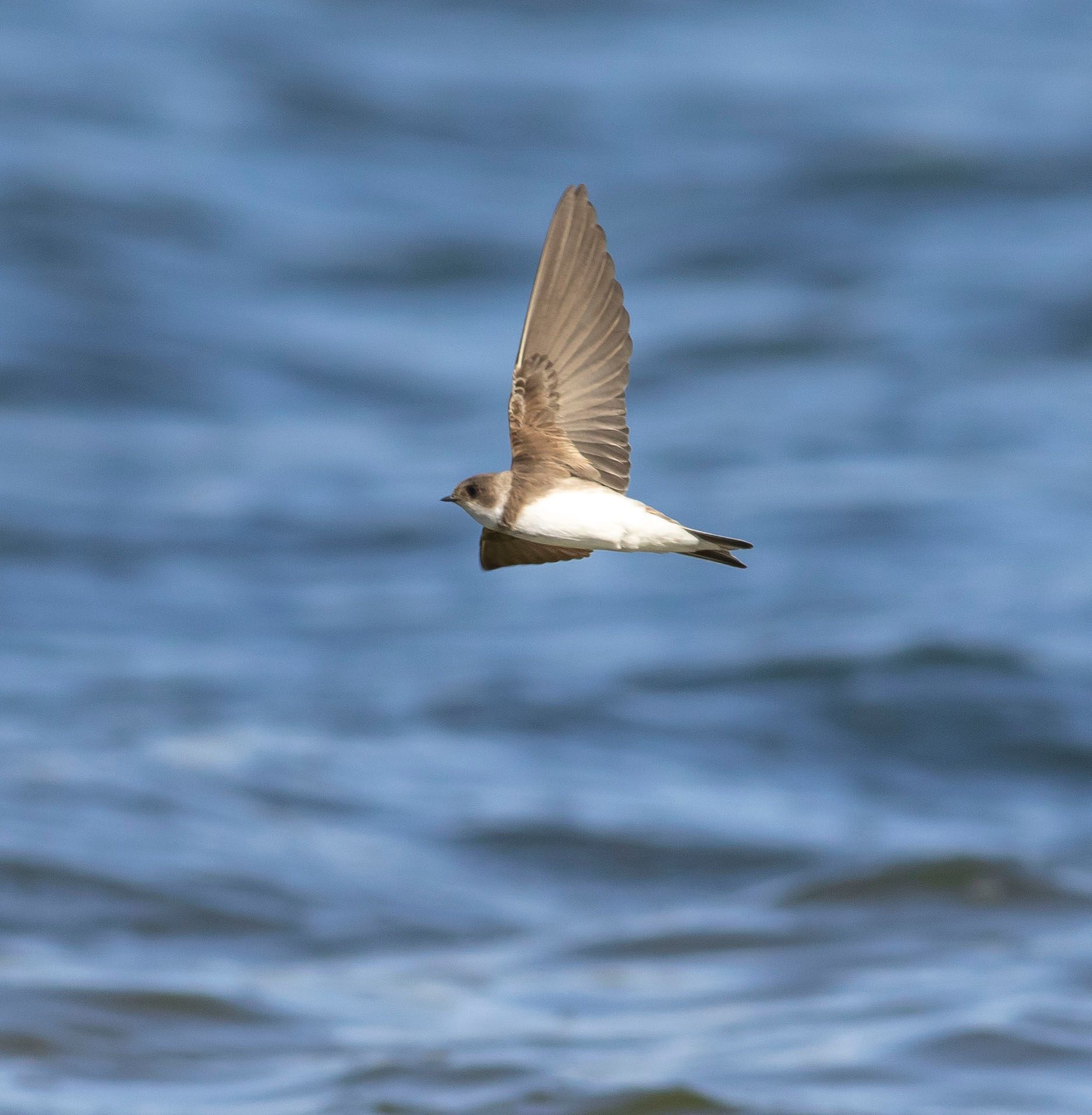
June Birding Forecast

Author name

By Alex Harper


The big pulses of migratory birds have all but ended for the spring season by the beginning of June. The transient shorebirds, vireos, flycatchers, thrushes, warblers, tanagers, grosbeaks and buntings have pushed through the Mojave landscapes along their route to their summer breeding territories. Most of the birds that passed through in May have flown to suitable breeding habitat, found a mate, begun maintaining and defending territory, constructed a nest and started sitting on eggs by early June. In the spring, birds are fixated on getting to a territory and passing their genes successfully. This requires focus to get ahead of any competition.


For birders in the Mojave Desert, June is the beginning of the summer. Those who dedicated to looking for straggling or wayward migratory birds should head to the migrant traps in the area. Migrant traps are any features in the landscape that look appealing to birds. In the desert, a migrant trap may be a small area with trees and water; golf courses, highway rest stops, and springs often qualify as traps because they “pull in birds”. Corn Creek Field Station at Desert National Wildlife Refuge or Floyd Lamb Park are traps that have the potential to attract late or wayward migratory birds. Unassuming highway towns like Primm or Cactus Springs can act as traps as well. In early June, one could be rewarded with a vagrant; Tropical Kingbird, Red-eyed Vireo, or an eastern warbler are all possibilities in June.


Our local birds are deeply engaged in breeding activities. In the lower elevations and the Las Vegas Valley, adults may be feeding nestlings or attending to birds that have fledged the nest. Some birds may begin tending to a second clutch of young. Listen for nestlings begging for food from nests or for fledged young following their parents for handouts. By the end of the month and into July, some birds born this spring are already wandering around on their own, unattended by their parents.


In the higher elevations where cooler temperatures may be lingering, birds are following a later schedule. This means that visitors to the Spring Mountains might be able to enjoy the frenzies of breeding activities of Violet-green Swallows, Broad-tailed Hummingbirds, and songbirds while enjoying cooler weather and the shade of towering Ponderosa Pines. If possible, visit the trails of Fletcher Canyon, Deer Creek, Mary Jane Falls, or upper Lee Canyon on weekday mornings to beat the weekend crowds and take in the June dawn chorus. Those hanging around until nightfall may hear whistling Poorwills, Western Screech-Owl or the low hoots of Flammulated Owls. The Hualapai Mountains near Kingman, Arizona offer similar mountainous getaways along with chances for Zone-tailed Hawk, Painted Redstart, Hepatic Tanager and Canyon Towhee, all of which are difficult to find on our side of the Colorado River.


Otherwise, settle into a Mojave Desert summer. Treat June, July, and August as times to observe young birds or for studying familiar backyard birds. After a few weeks, shorebirds will be on their way southward; it is possible to see migratory shorebirds by late July and August. You may also find companions in insects, spiders, bats and lizards. Slow down and be open to the other animals and you will notice the diversity of pollinating insects and urban invertebrates of southern Nevada. These invertebrates provide food to the summer biomass of the bird populations.


.

RECENT ARTICLES
December 1, 2025
In December, it is fair to say that winter has arrived. And throughout November, diehard birders and backyard birders alike turn over the stones to see or hear what types of wintering birds will be with us for the next few months. At parks, in canyons, and neighborhoods, our songbirds have mostly settled into their wintering areas. Mixed flocks of Ruby-crowned Kinglets, Yellow-rumped, and Orange-crowned Warblers rove through a variety of habitats. White-crowned Sparrows move confidently in large groups, aggregating where food is plentiful. You may see them around seeding quailbush in much of the valley. Look for their cousins, White-throated and Golden-crowned Sparrows, which occasionally join groups of White crowned Sparrows. For the most part, songbirds tend to stay put once they find a wintering area. They are no longer migrating long distances, but they will move around locally and wander for food supplies. Some songbirds are a little less predictable. Red-breasted Nuthatches and a few finch species are such examples. They move around more freely throughout the winter, admonishing the idea that we usually have of songbirds: that they are supposed to move roughly north or south with the spring or fall. For birds like siskins, Evening Grosbeaks, and Red Crossbills, this may not be the case. These species are more nomadic, searching valleys and mountainous areas for their favored seed crops. Finches call frequently while in flight, so familiarizing yourself with their calls will help you detect them as they flyover. Detecting finches as “fly overs” is a common occurrence with this globally successful family of birds. At our wetlands and lakes, waterbirds move about in search of optimal feeding areas. Many of our geese and ducks continue to come and go as the winter season progresses. These birds are often hunted or disturbed in many wintering areas, so over time they naturally end up at wetlands where hunting is not permitted. It is in part for this reason that you will run into slightly more or different birds at places like Clark County Wetlands in January than you will in December. For those looking to get out of the city for a day of birding, consider visiting agricultural areas around Moapa Valley or south of Laughlin. Visiting these habitats during the winter can be highly rewarding. Agricultural areas attract heaps of bluebirds, pipits, blackbirds and sparrows. And with those, predators often follow; the Moapa Valley, Overton, and Warm Springs areas can be excellent places to see wintering falcons, Red-tailed Hawks and harriers. You may even spot a Ferruginous Hawk, the largest hawk in on the North American Continent. Another good reason to bird these areas is that few people often do. If you are the type of person that loves to sleuth around for interesting birds, you may well stumble across an unusual bird that no one else has detected yet. They are out there, and uncommon and rare birds will be found by local birders.
By Alex Harper October 31, 2025
When the days grow shorter, the nights cooler, and winds begin to turn south, many birds begin to change their behaviors. The breeding season has come and gone. Some species spend their lives close to home, perfectly adapted to their habitats through all seasons. But for most North American songbirds, migration is a necessary annual act of survival in the seasonal pursuit of food, water, and safety. These include flycatchers, vireos, thrushes, sparrows, blackbirds, warblers, tanagers, grosbeaks, and buntings. As insects vanish and leaves fall across northern regions, many birds push south, traversing mountains, valleys, and deserts in search of suitable habitat. Many of these birds are intending to make their way to the warmer climates of Mexico and more tropical areas for the colder months. In the arid expanse of the Mojave Desert, safe stopover sites are few and far between. Migrants that are not desert specialists often must locate oases, which are small pockets of water, shade, and food, to rest and refuel. Some are natural: mountain springs and creeks, valley wetlands, or canyons. Others are entirely human-made: parks, cemeteries, and towns where irrigation and ornamental trees create relatively lush islands in a sea of desert. These green patches, although artificial, can mean the difference between exhaustion and success for a traveling flycatcher or warbler. One such refuge sits right on the California-Nevada border along I-15. This is the “town” of Primm. To most travelers between Los Angeles and Las Vegas, it’s another brief stop for gas and food. A defunct roller coaster and closed shopping outlet give the impression that Primm’s prime is behind us. But for birders, it’s a birding hotspot. Primm’s irrigated lawns and runoff from water sources draw birds from miles around. Its small size makes it easy to cover, and its isolation makes it stand out. It’s an island of green surrounded by dry lake beds and sparse vegetation. Primm is a classic “migrant trap,” where the color green and promise of water concentrates birds in one small place. Though songbirds navigate with remarkable precision by reading the stars, reading the Earth’s magnetic fields, and using landmarks - they do sometimes go astray. Young or disoriented individuals may travel the right distance but in the wrong direction, bringing eastern or Great Plains birds into western deserts. For birders, these navigational errors are the source of exciting discoveries, especially in the Fall. When one rare bird is found, more often follow. This is the “Patagonia Picnic Table Effect,” named after a famous site in Patagonia, Arizona, where a single unusual sighting decades ago triggered a rush of birders who went on to discover even more rarities. Primm functions much the same way: one exciting report draws others to look, and the increased attention yields more discoveries. The town’s lawns and patches of trees may not be appealing, but birders affectionately call it the “Primm Forest Preserve,” a tongue-in-cheek tribute made by biologists working in the region in the mid-2010s. The Fall of 2025 was especially exciting, with Baltimore Oriole, multiple Painted Buntings, a Blackburnian Warbler, Yellow-throated Warbler, and more showing up in a short amount of time. As birder and biologist Michael McCloy shared, “This oasis contains some of the only real trees and water for miles, acting as a magnet for any migrating songbirds in need of rest and refueling.” During his near-daily visits this September, he witnessed moments of pure wonder: “One day I turned around and there was a Lark Bunting and a Dickcissel at the same roadside puddle. Another day, a Marsh Wren perched twenty feet up in a tree. And when a Black-throated Blue Warbler showed up, it came within three feet of me. I wondered if it was going to land on my arm.” For Clayton Peoples, who visits regularly from Reno, Primm has become a staple of southern Nevada birding. “It’s one of my go-to places,” he said. “I used to stay at Buffalo Bill’s just to be right there at sunrise.” Clayton recalls finding a Nelson’s Sparrow with Dave Anderson, a Dickcissel while searching for a Painted Bunting, and most recently a hatch-year female Black-throated Blue Warbler. Many of these birds are considered “ review list ” for Nevada. He shares updates through the WhatsApp groups and Facebook, helping others join in on sharing are bird sightings. For birders from across the state, Primm has become an unlikely meeting ground for the birding community. On a population scale, migrant traps like Primm may seem insignificant. But for individual birds, these patches of green can mean survival - a brief chance to rest, feed, and rebuild strength before continuing south. Every visit is a gamble with the possibility of reward, especially in April-early June and August to late October when most songbirds are migrating. Whether you’re in Primm, Corn Creek, Indian Springs, or a patch of trees in your neighborhood park, have a look and be open to the idea of finding something you wouldn’t expect. You never know what might drop in. 
October 30, 2025
By Alex Harper By November, most of the wintering songbirds have settled into their wintering territories for the winter months. In and around our neighborhoods and small parks, Northern Flickers, Ruby crowned Kinglets, Yellow-rumped Warblers and White-crowned Sparrows have become part of the urban and suburban winter makeup. Brewer’s Blackbirds arrive in force, joining grackles and hanging around parking lots and busy parks. Our Empidonax flycatchers, vireos, most species of wood-warblers, orioles, grosbeaks and tanagers have long-departed for the warmer Sonoran Desert, woodlands in Mexico, or tropical areas of Central and South America. We won’t begin seeing these birds again until March, April, and May. At our wetlands and artificial ponds and lakes, waterfowl diversity and numbers increase through the month. Redheads, Ring-necked Ducks, Buffleheads, and dabbling ducks stream in from waterbodies from the north. One can observe this movement from the bank of Clark County Wetlands Park, where birds follow the Wash as they explore new foraging areas. Parks like Sunset Park and Craig Ranch Park can be great places to observe some of the ducks at close range. At Lake Mead, check 33-Hole for loons and wintering gulls, and Boulder Beach for Greater Scaup and unusual diving ducks like scoters. Scoters feed on mollusks and take advantage of the invasive Quagga Mussel population at some parts of the lake. Geese also wander in the valley. Along with Canada Geese, search for Greater White-fronted Geese and Snow Geese at parks and athletic fields. Small numbers of Ross’s and Cackling Geese mingle at these sites with the larger geese. By the end of the month, it is not unusual for Tundra Swans to make brief visits to our watercourses. At our more well-vegetated parks, keep an eye and ear out for other wintering species. Northern Harriers frequent the bird preserve and the Wash. Hermit Thrushes and Spotted Towhees can be found anywhere with enough understory, though are a bit too shy for most urban parks. Some cultivated plants such as California Fan Palms and Russian Olives begin to produce fruit, which can lure in flickers, robins, waxwings, starlings, mockingbirds and more. Keep an eye out in your neighborhood for such plants. November is a great month for those looking for unusual and infrequent bird species. Corn Creek at Desert National Wildlife Refuge, Floyd Lamb, and any of our large parks can lure in species such as Eastern Phoebe, Pacific Wren, Varied Thrush, Gray Catbird, American Tree Sparrow, Swamp Sparrow, Harris’s Sparrows, Golden-crowned Sparrow, and Lapland Longspur all could show up in the Las Vegas area this November. These are all hardy species that can overwinter in the region and endure the occasional freezes. .